Understanding the Basics of Bluffing
Bluffing is an essential strategy in poker that involves convincing your opponents that you have a stronger hand than you actually do. This tactic relies on psychological manipulation, making your opponent doubt their own hand and push them to fold. To effectively implement this strategy, players must first understand their opponents’ tendencies and be aware of the table dynamics, similar to how one might approach an online casino game where reading the room is crucial. By gauging the styles of other players, you can determine when and how often to bluff, enhancing your chances of success.
In poker, a well-timed bluff can turn the tides of a game, gaining you not only chips but also respect from your opponents. However, bluffing is not simply about stating that you have a better hand; it involves a careful calculation of risks and outcomes. Knowing when to bluff requires keen observation and the ability to read body language, as players often reveal more than they intend through their actions. This understanding is crucial for those aiming to master the art of bluffing.
Additionally, it’s vital to remember that bluffing is not guaranteed to work every time. Successful bluffing hinges on a combination of timing, understanding your opponent’s psychology, and the overall game context. Factors such as the betting patterns, the strength of your own hand, and the stage of the game all contribute to the effectiveness of a bluff. Learning to balance between aggression and caution is key to utilizing bluffing effectively in your poker games.
When to Bluff: Timing is Key
Choosing the right moment to bluff is perhaps the most critical component of successful poker strategy. A bluff executed at the wrong time can result in a quick loss of chips, while a well-timed bluff can turn a mediocre hand into a winning one. The best moments to bluff often occur when the community cards reveal possibilities that may lead your opponents to assume you have a strong hand. For instance, if the board shows three cards of the same suit or connectors, it’s more believable that you could have a flush or a straight.
You should also pay attention to the betting behavior of your opponents, as certain players tend to exhibit specific patterns. If a player appears cautious or has been folding frequently, they might be holding weaker hands. In contrast, if they exhibit aggression, this could point to a strong hand, making it riskier to bluff. Understanding these signs allows you to pick opportune moments to execute a bluff, optimizing your chances of success.
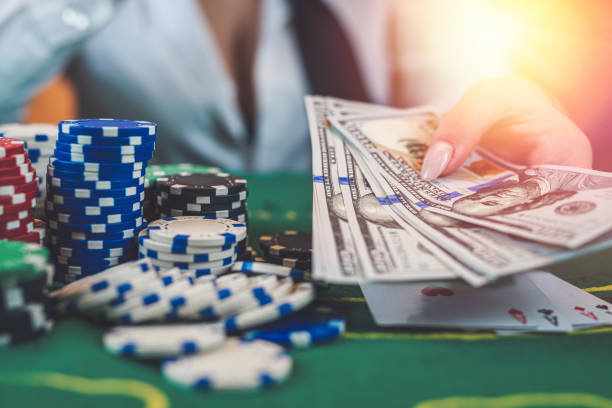
Moreover, the stage of the game plays a significant role in determining when to bluff. During the early rounds, players are often more conservative, and fewer players are involved in hands. As the game progresses, players may become more willing to take risks, creating a fertile environment for bluffing. Assessing the overall atmosphere of the table and adjusting your strategy accordingly can dramatically improve your bluffing outcomes.
The Psychology Behind Bluffing
Bluffing in poker is not merely about the cards; it is heavily influenced by psychology. Understanding your opponents’ thoughts and motivations is paramount for executing successful bluffs. You want to create narratives that lead your opponents to believe in the false strength of your hand. This mental game requires a mixture of confidence and subtlety, as too much aggression may lead to suspicion and could backfire.
Reading your opponents’ reactions is a crucial skill in poker. Many players display physical “tells” that indicate whether they are feeling confident or anxious about their hand. A slight hesitation before betting or a focus on their chips may suggest uncertainty. By observing these cues, you can gauge the effectiveness of your bluff and make strategic adjustments as needed. This dynamic reveals the intricate relationship between your strategy and your opponents’ reactions.
Moreover, bluffing effectively can also involve creating a reputation at the table. If players believe you are capable of bluffing frequently, they may be less inclined to call your bets, paving the way for you to execute successful bluffs with less resistance. It is essential to build a balanced strategy that includes both aggressive bluffs and strong hands, ensuring that your opponents remain uncertain about your playing style. This psychological warfare is a vital aspect of poker that elevates the game beyond simple chance.
Different Types of Bluffs
Not all bluffs are created equal; different types of bluffs serve various strategic purposes in a poker game. One of the most commonly recognized types is the “pure bluff,” where a player has no hand and relies solely on their betting to convince others to fold. This type of bluff often works best against hesitant opponents and in situations where the board texture suggests high potential for strong hands.
Another common bluffing strategy is known as the “semi-bluff.” This occurs when a player has a drawing hand that has the potential to improve to a strong hand. For example, if you have a flush draw and bet aggressively, opponents may fold, fearing you already have a strong hand. Even if they call your bet, there is a chance you’ll improve your hand on the next card, thus providing additional upside to your semi-bluff.
Lastly, one should consider the “value bluff,” which is executed when a player has a strong hand but wants to extract more chips from their opponents. This involves betting in a way that looks like a bluff to extract calls from weaker hands. By understanding these distinctions and recognizing when to implement each type, you can enhance your overall bluffing strategy and increase your poker winnings significantly.
Conclusion and Resources for Further Learning
Mastering the art of bluffing in poker is a multifaceted skill that involves strategy, timing, and psychological insight. Understanding the various types of bluffs, the psychology of your opponents, and the appropriate moments for execution are all crucial elements for success. Whether you are a beginner or an experienced player looking to hone your skills, embracing these concepts can significantly impact your performance at the poker table.
For those eager to delve deeper into the intricacies of poker, numerous resources are available. Books, online courses, and strategy blogs provide valuable insights, strategies, and community support to enhance your understanding of the game. Engaging with fellow enthusiasts and learning from experienced players can also provide unique perspectives that enrich your poker journey.
As you refine your bluffing skills, remember that patience and practice are key. The more you play and observe, the better your instincts will become. Always be willing to adapt and learn, and you will find that the allure of poker continues to offer endless challenges and excitement.